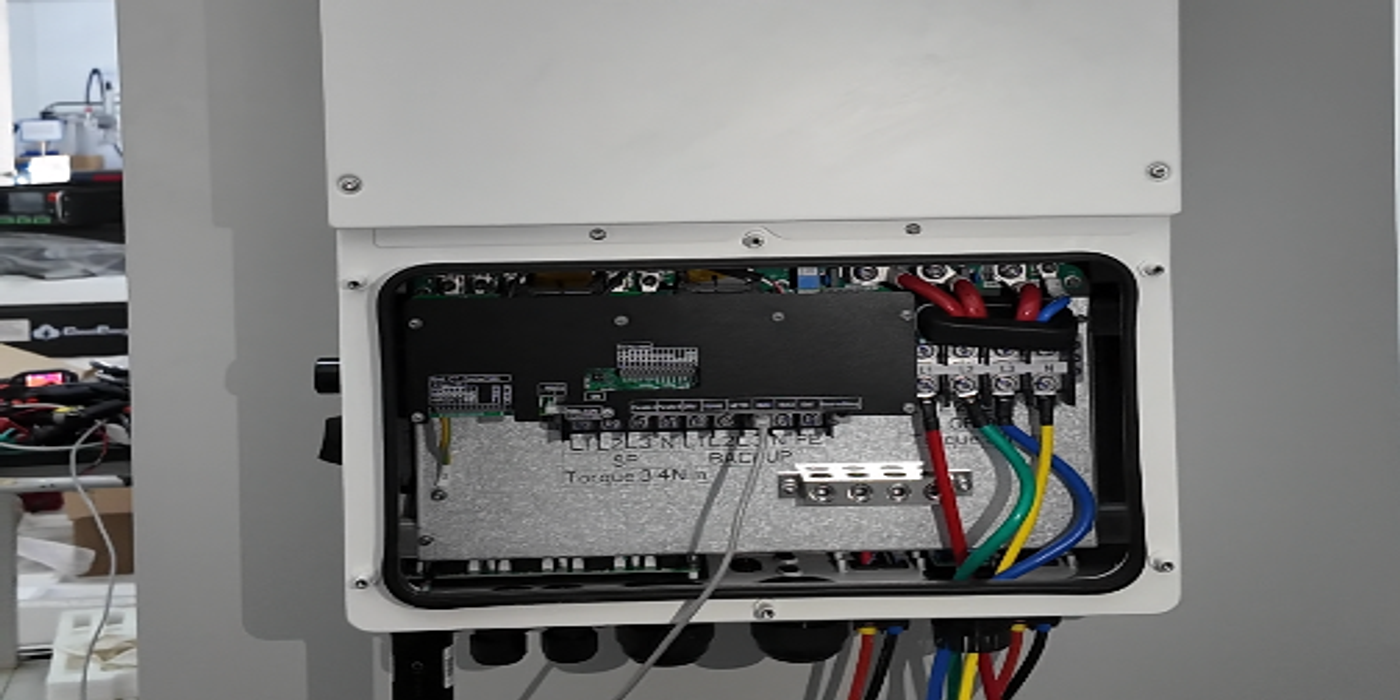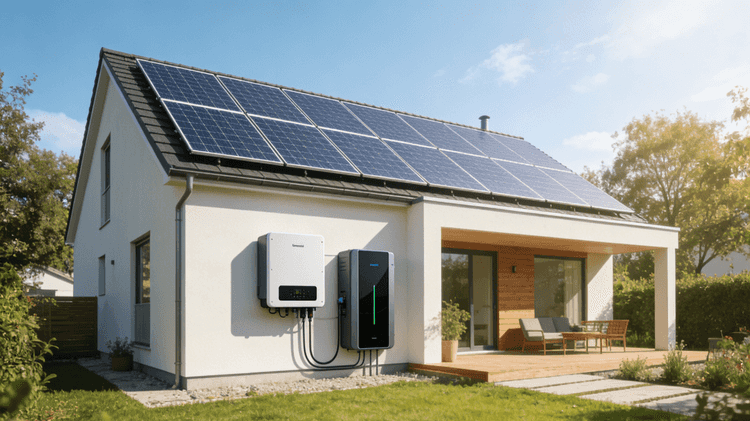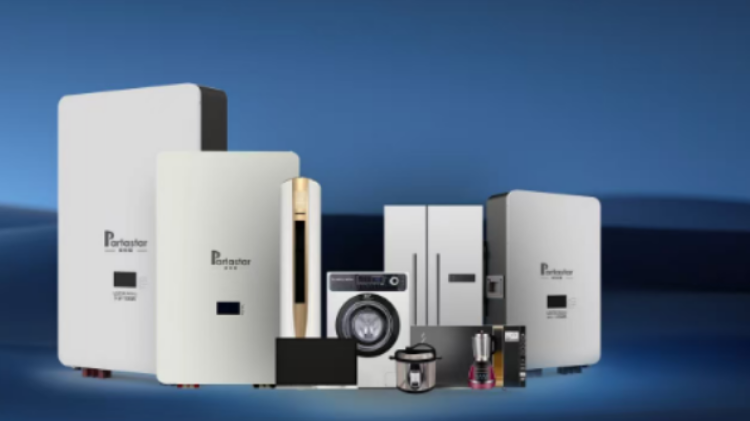
In the global pursuit of carbon neutrality, containerized Smart Storage Solutions have emerged as a game-changer for commercial and industrial (C&I) sectors. Integrating batteries, PCS, BMS, and fire protection into standardized cabinets, these all-in-one solutions address key pain points like high electricity costs and unstable power supply. Below are the core values and practical insights for businesses considering deployment.
Modular Design: Flexibility Meets Scalability
Modern containerized C&I storage systems adopt a highly integrated modular architecture, complying with standards like T/CES 241-2023. Typically equipped with LiFePO4 batteries (Lithium Battery Home Storage), they offer single-cabinet capacities ranging from 100kWh to 400kWh and support parallel connection of up to 20 units, scaling from 50kW to 2MWh effortlessly . Features like plug-and-play installation and IP54+ protection enable deployment in both indoor and outdoor environments, reducing on-site construction time by 30% compared to traditional systems .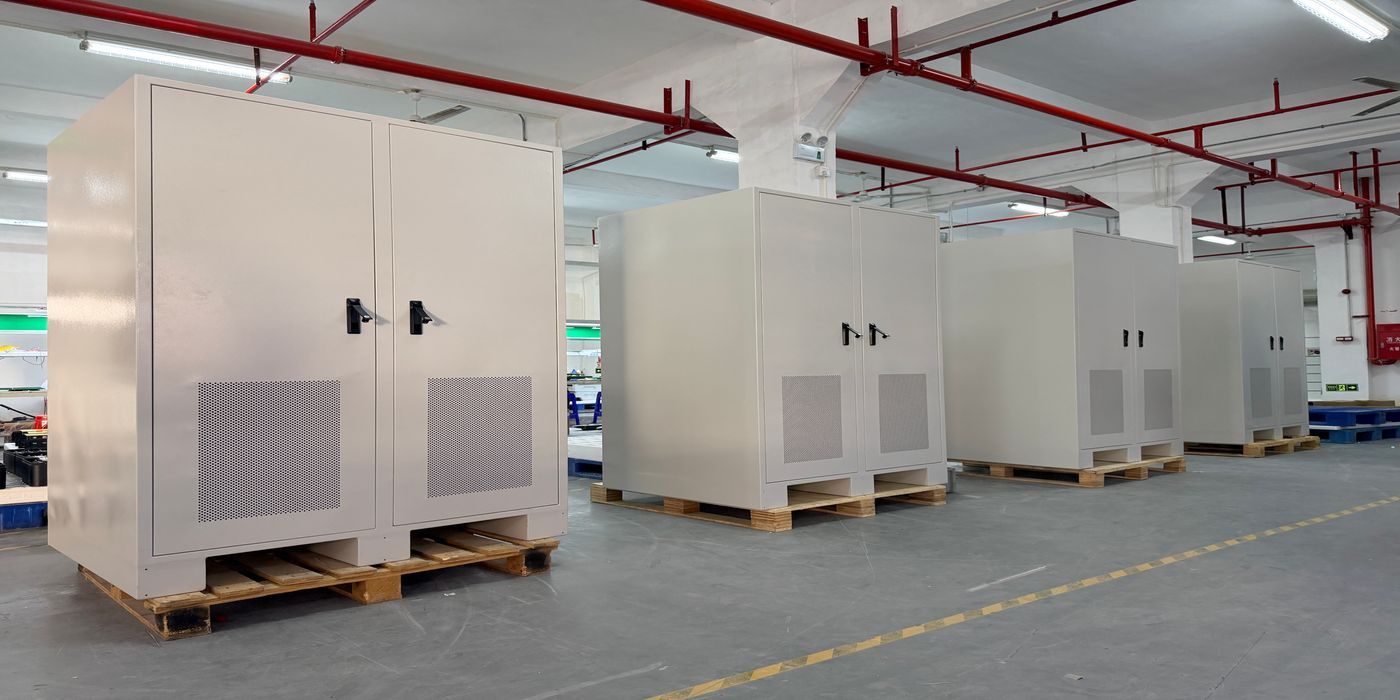
Core Applications: Driving Cost Savings & Reliability
Peak shaving and valley filling remain the primary use case, leveraging electricity price differences to cut energy bills by 20-40% . For critical facilities like data centers and hospitals, the Smart Storage Solutions act as emergency backup with switchover times under 10ms . They also excel in dynamic capacity expansion, avoiding costly transformer upgrades by mitigating overloads during peak demand . Additionally, DC-coupled models enhance solar self-consumption by 12% through direct PV-battery integration, ideal for solar-plus-storage charging stations .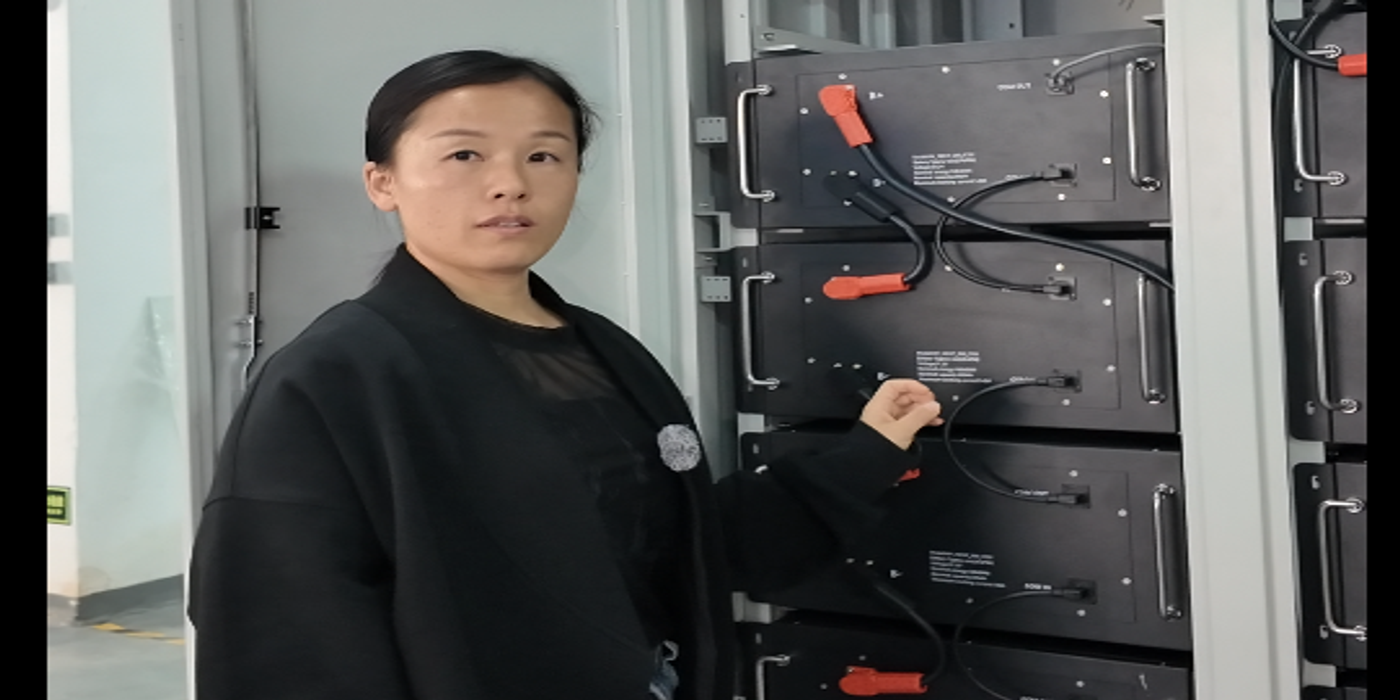
Key Selection Criteria for Optimal Performance
Prioritize efficiency (target round-trip efficiency ≥90%) and thermal management—liquid cooling systems maintain cell temperature differences within ±3℃, extending battery life to 6,000 cycles . Ensure compliance with IEC 62619 and network security standards, especially for European markets . For DC microgrid projects, DCDC-integrated cabinets reduce conversion losses by 3-8% . Partner with suppliers offering remote monitoring platforms to enable unmanned operation and predictive maintenance.