1. Precise State of Charge (SOC) Estimation
AI algorithms are revolutionizing the way we estimate the state of charge (SOC) of batteries. Traditional methods for SOC estimation, such as the open - circuit voltage (OCV) method combined with coulomb counting and Kalman filter algorithms, have limitations. They are often computationally intensive and require a very accurate battery model. For example, the Kalman filter - based methods assume a certain linearity in the battery system, which is not always the case in real - world scenarios.
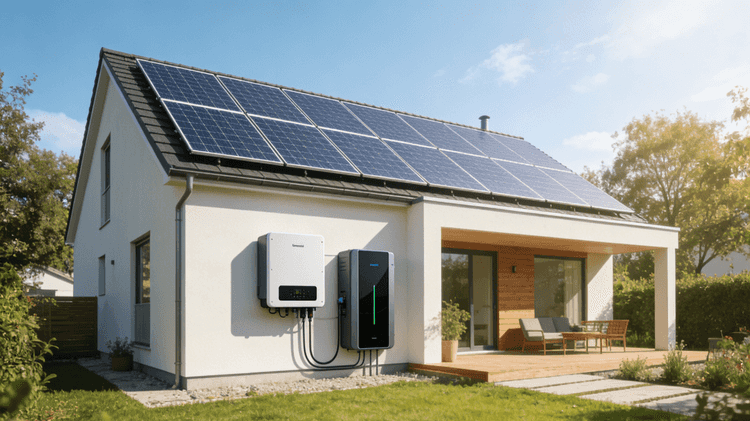
In contrast, AI - based SOC estimation techniques, like those using neural networks and machine learning algorithms, can handle complex non - linear relationships. These algorithms can analyze a vast amount of data from multiple sensors, including voltage, current, and temperature sensors. By training on historical data of battery charging and discharging cycles, AI models can accurately predict the SOC(All-in-One Home Energy Storage). For instance, a neural network can learn the unique charging and discharging patterns of a specific battery type, taking into account factors like battery aging, temperature variations, and usage patterns. This precise SOC estimation is crucial as it allows for better utilization of battery capacity. It helps to prevent over - charging or under - charging, which can damage the battery and reduce its overall lifespan.
2. Optimal Charging and Discharging Strategies
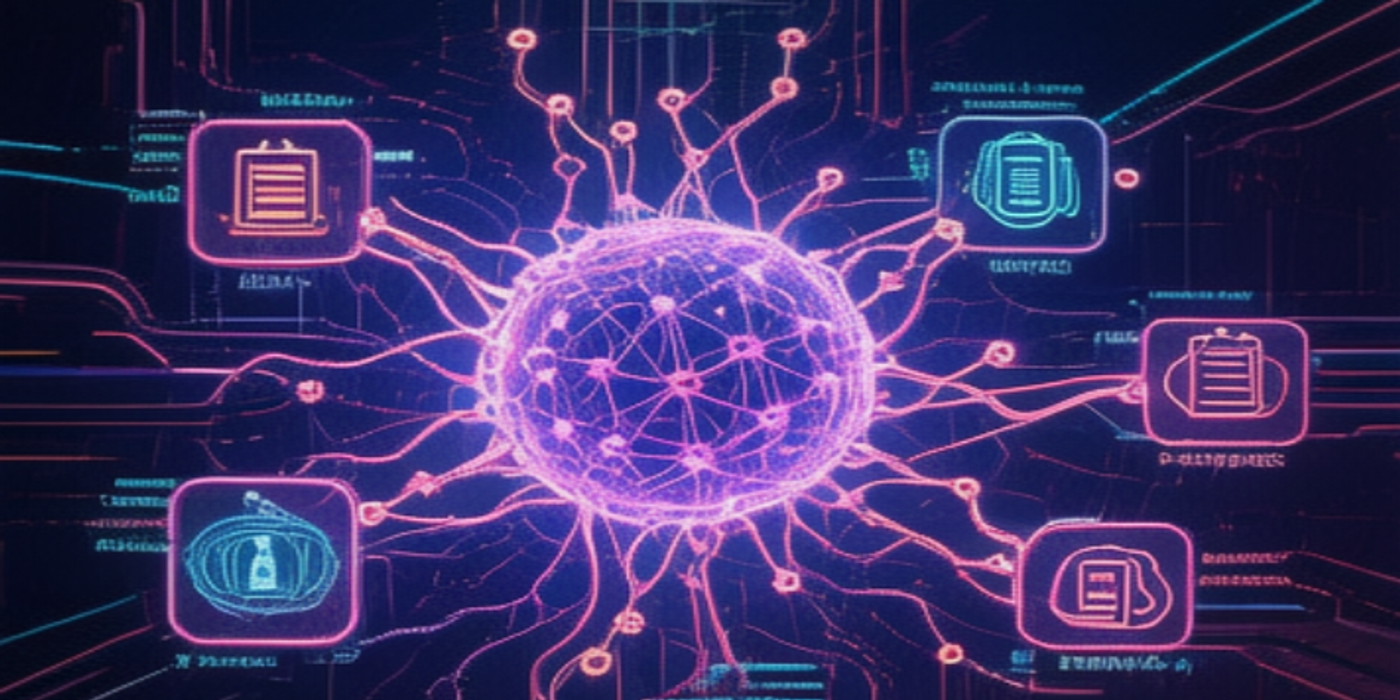
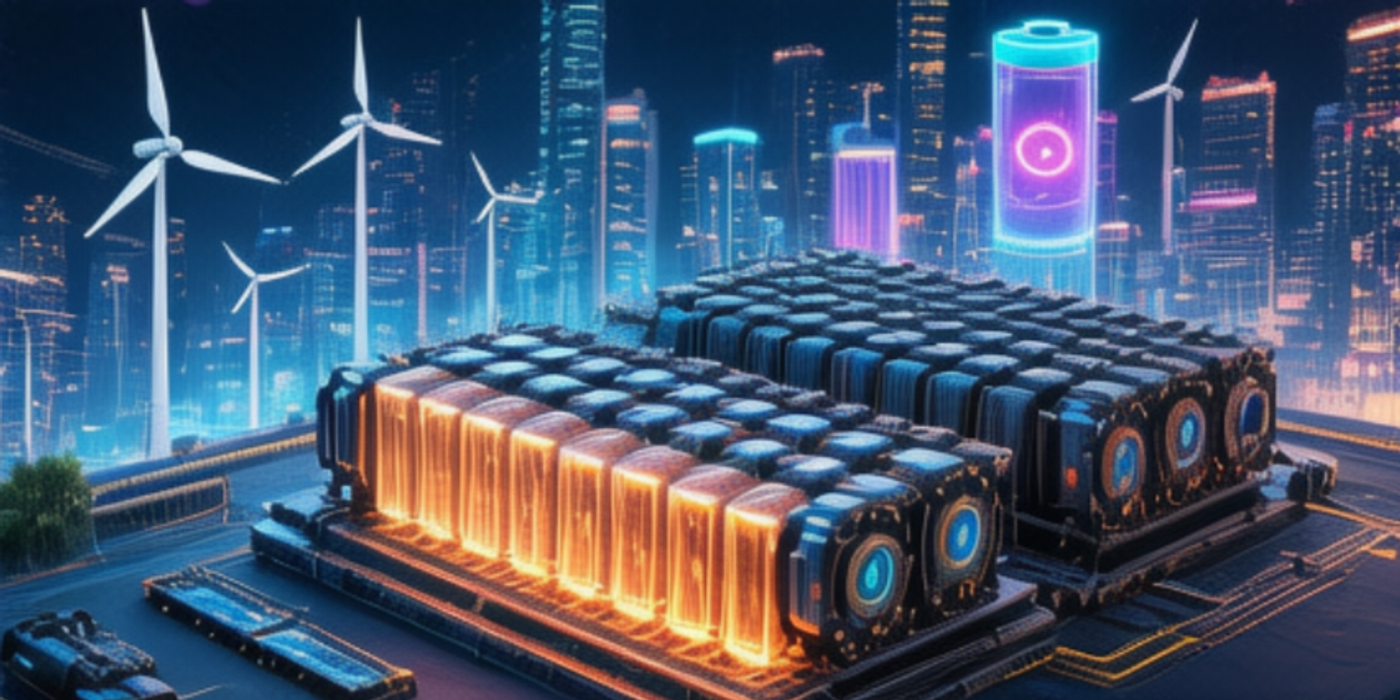
AI is also instrumental in devising optimal charging and discharging strategies for batteries. Different applications have diverse requirements for battery operation. For example, in a smart grid, the goal might be to store excess energy generated during off - peak hours from renewable sources like solar and wind and release it during peak - demand periods. In an electric vehicle, the focus could be on maximizing the driving range while minimizing charging time.
AI algorithms can analyze real - time data, such as grid electricity prices, power demand, and battery health status, to determine the best charging and discharging times. In a grid - connected battery storage system, when electricity prices are low (usually during periods of high renewable energy generation), the AI system can initiate charging of the batteries. Conversely, when prices are high or the grid experiences high demand, the batteries are discharged to supply power. This not only helps to reduce the overall cost of energy storage and consumption but also extends the battery's lifespan. By avoiding rapid charge - discharge cycles and extreme operating conditions, the wear and tear on the battery are minimized under the All-in-One Home Energy Storage system.
3. Predictive Maintenance for Batteries
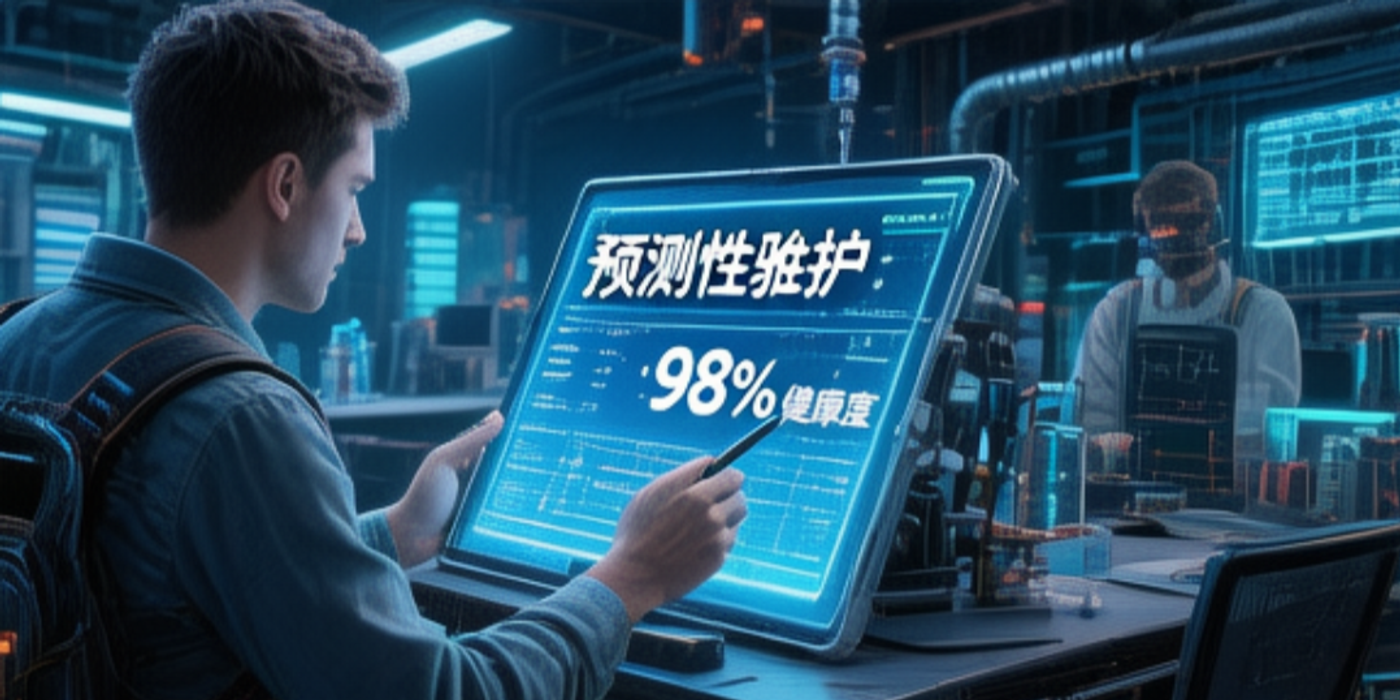
Predictive maintenance is another area where AI is making a significant impact on battery storage. Traditional battery maintenance often relies on regular check - ups at fixed intervals. However, this approach may not be the most efficient, as it can either lead to unnecessary maintenance (if the battery is still in good condition) or miss potential issues (if a problem develops between scheduled maintenance).
AI - powered predictive maintenance uses machine learning algorithms to analyze battery data over time. By continuously monitoring parameters like voltage, current, temperature, and internal resistance, AI can detect early signs of battery degradation or potential failures. For example, if the voltage drop during discharge starts to deviate from the normal pattern or the internal resistance begins to increase steadily, the AI system can predict that a failure might occur in the near future. This allows for proactive maintenance, such as replacing a battery before it fails completely. Predictive maintenance not only reduces maintenance costs but also ensures the continuous and reliable operation of battery - powered systems, whether it's a power grid, an electric vehicle fleet, or a data center backup power system and Lithium Battery Home Storage.